The name Afshar derives from the tribe who designs and creates these rugs (also known as the Avsar). They came to Persia and Turkey by way of Iran as part of the Ohguz Turkmen Confederation, which includes 24 other tribes. For hundreds of years these nomads lived in the northwest of Iran, but a part of the tribe were compulsorily transferred to today's area, where carpet manufacturing became an important branch of business. In the 16th century, Ohguz was more of a principality, rather than a kingdom. The language is still well-preserved and spoken today by people whose ancestors originated from this tribe. Weaving has always been a major part of the artistic creativity of this tribe, and it is not likely to diminish at any time as it is traditionally taught from one generation to the next. By the twentieth century, however, their ranks had been diminished to an area in the southeast corner of Iran. Produced by nomads and villagers in southeastern Iran in the cities of Shiraz, Kerman and Yazd, these antique Persian rugs are some of the few that merge nomadic and village techniques. Despite the decline of the tribe’s stature, antique Afshar carpets uphold their once great legacy.
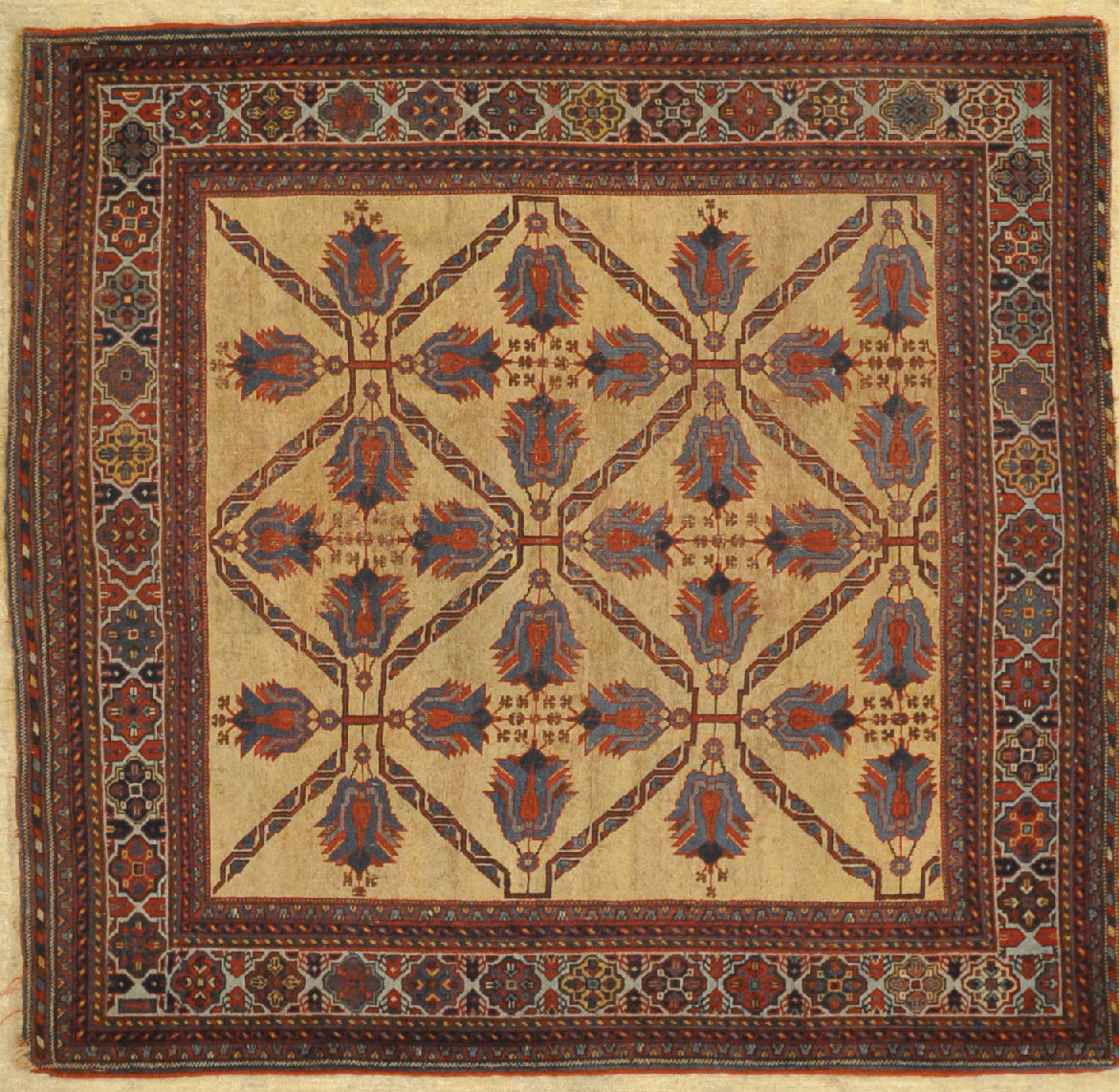
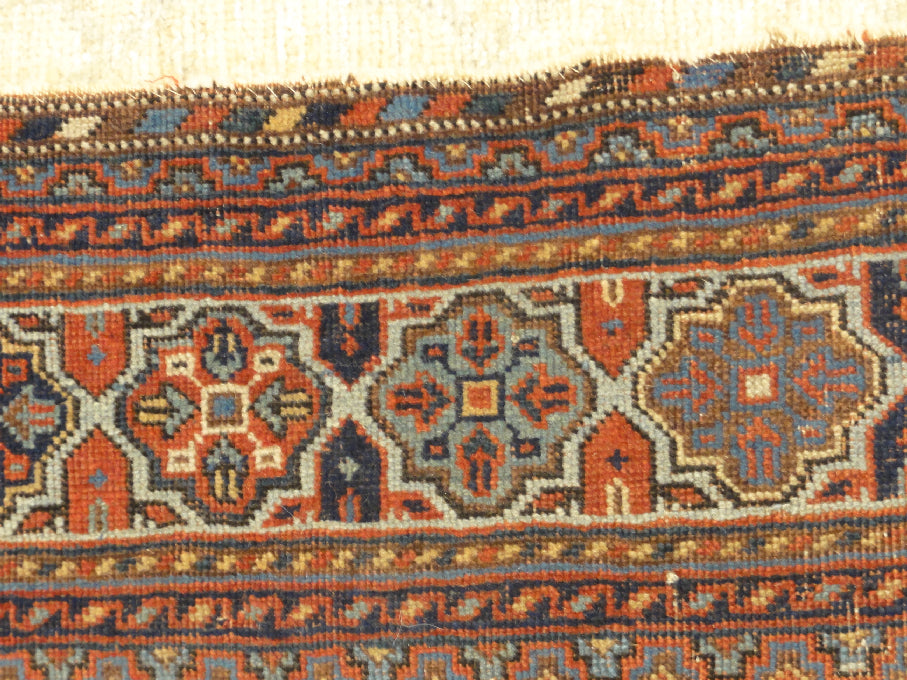
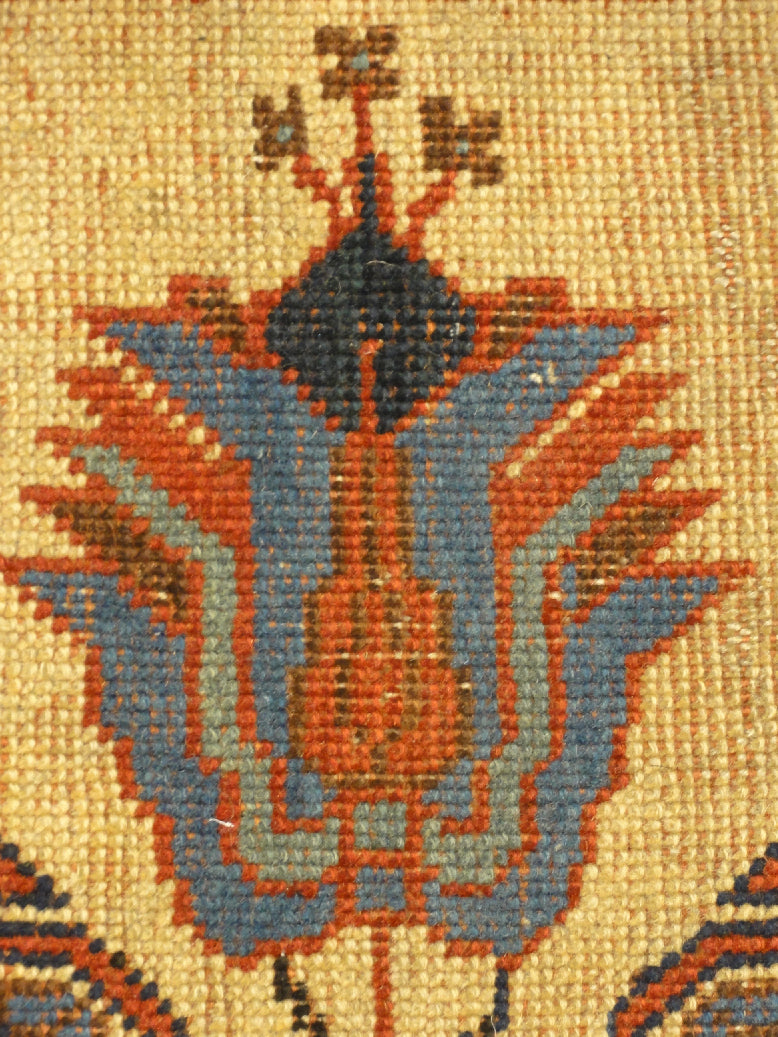
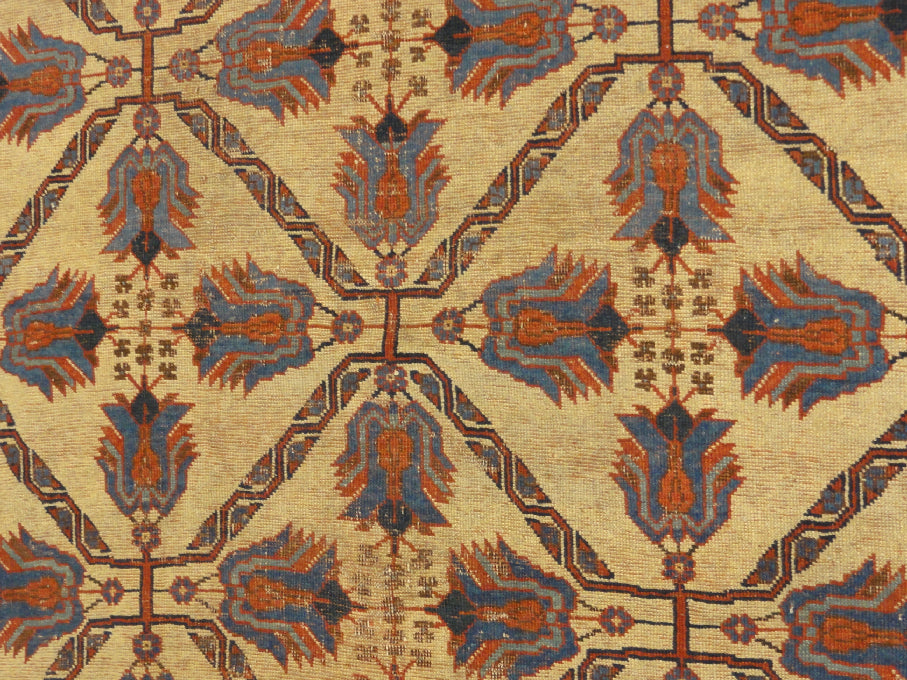
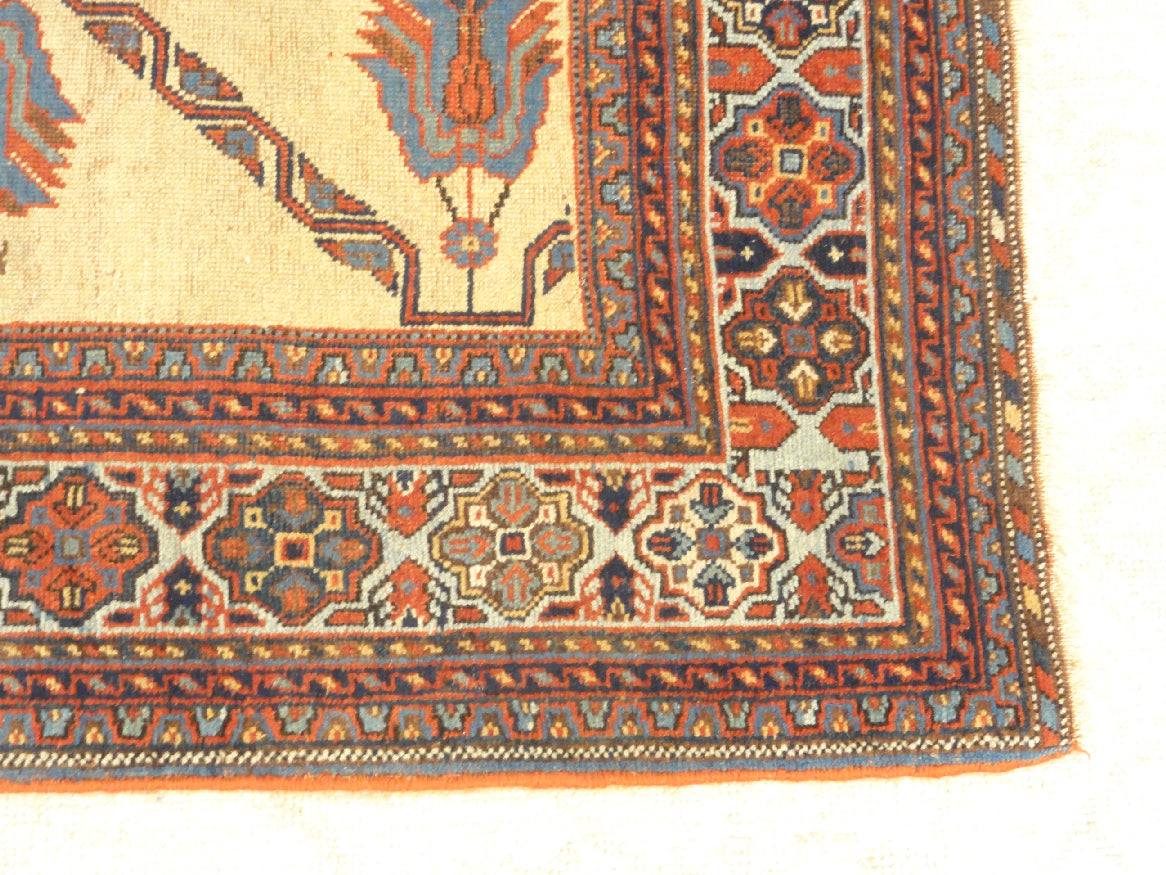
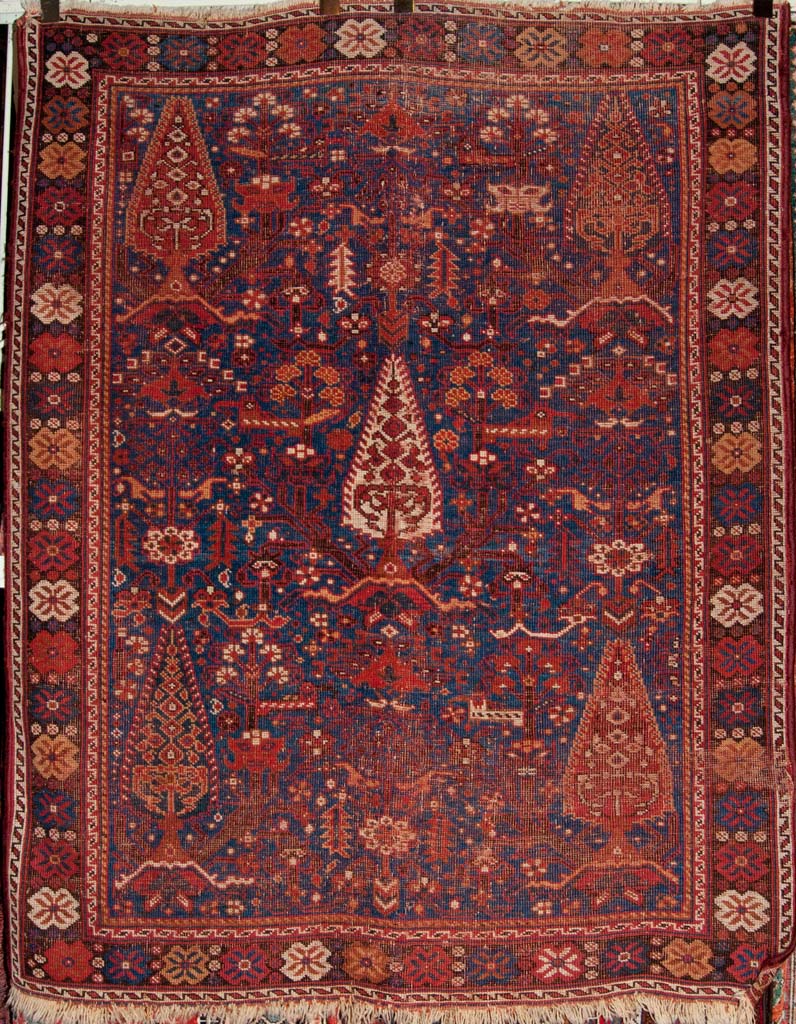
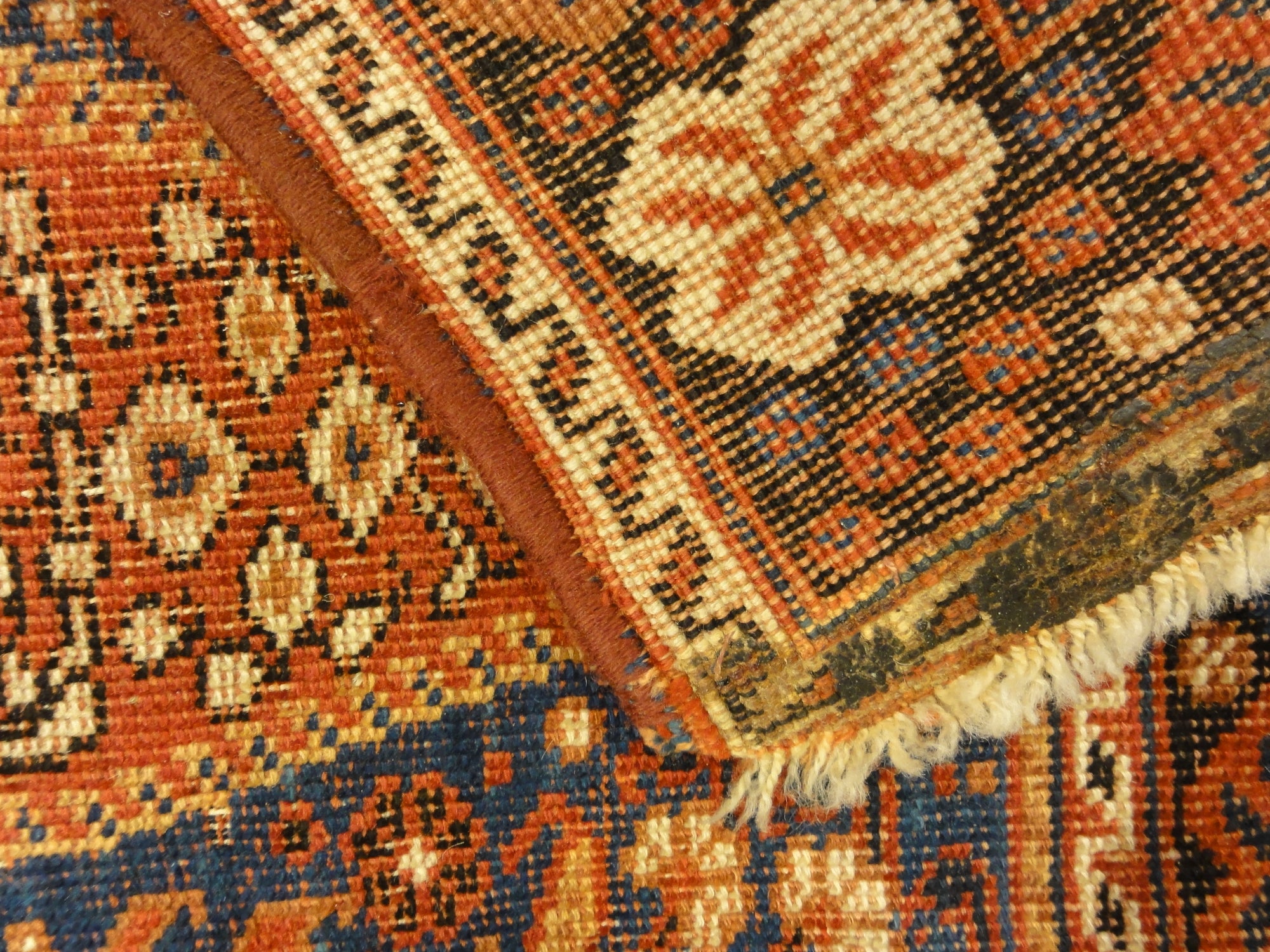
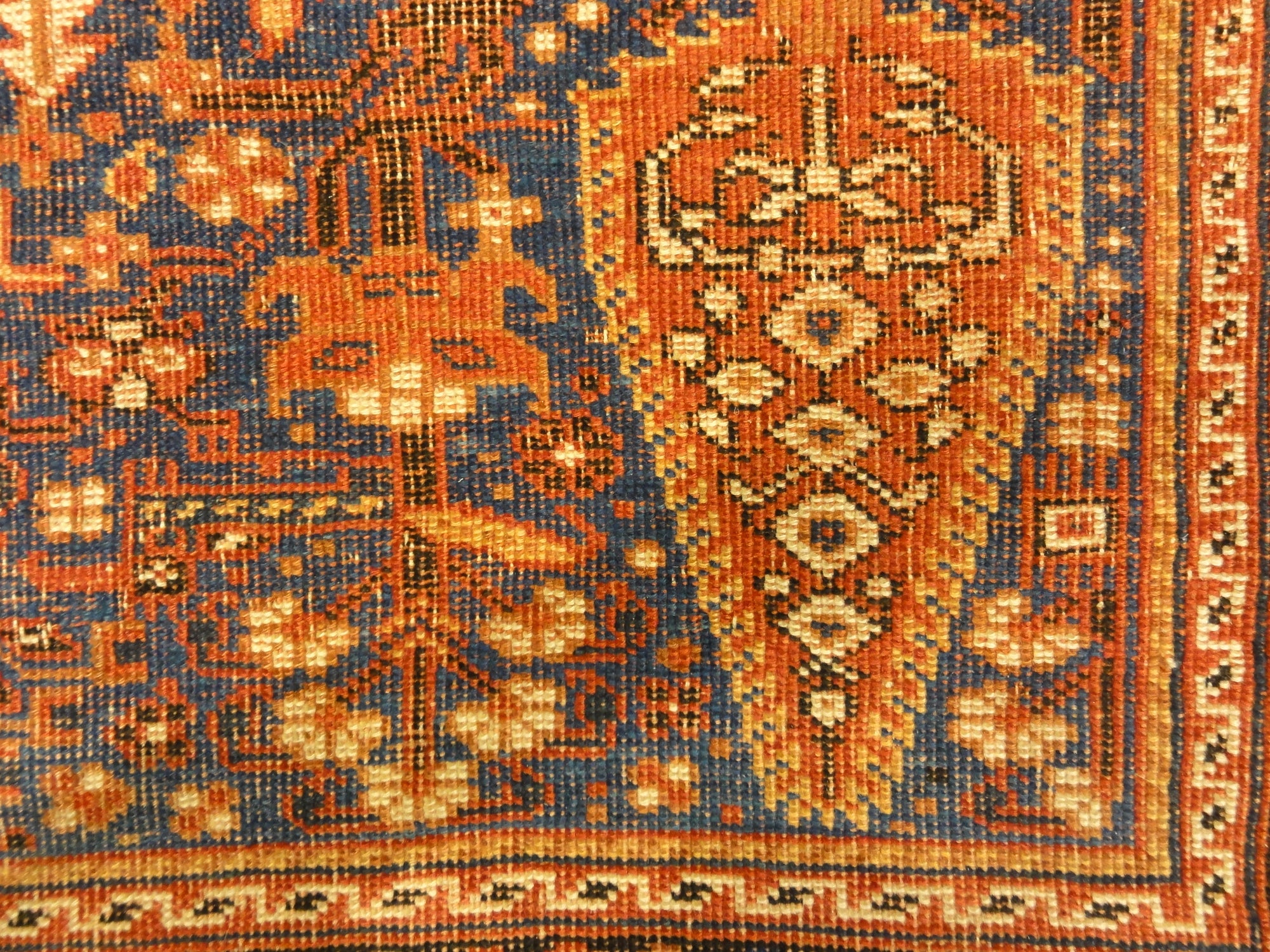
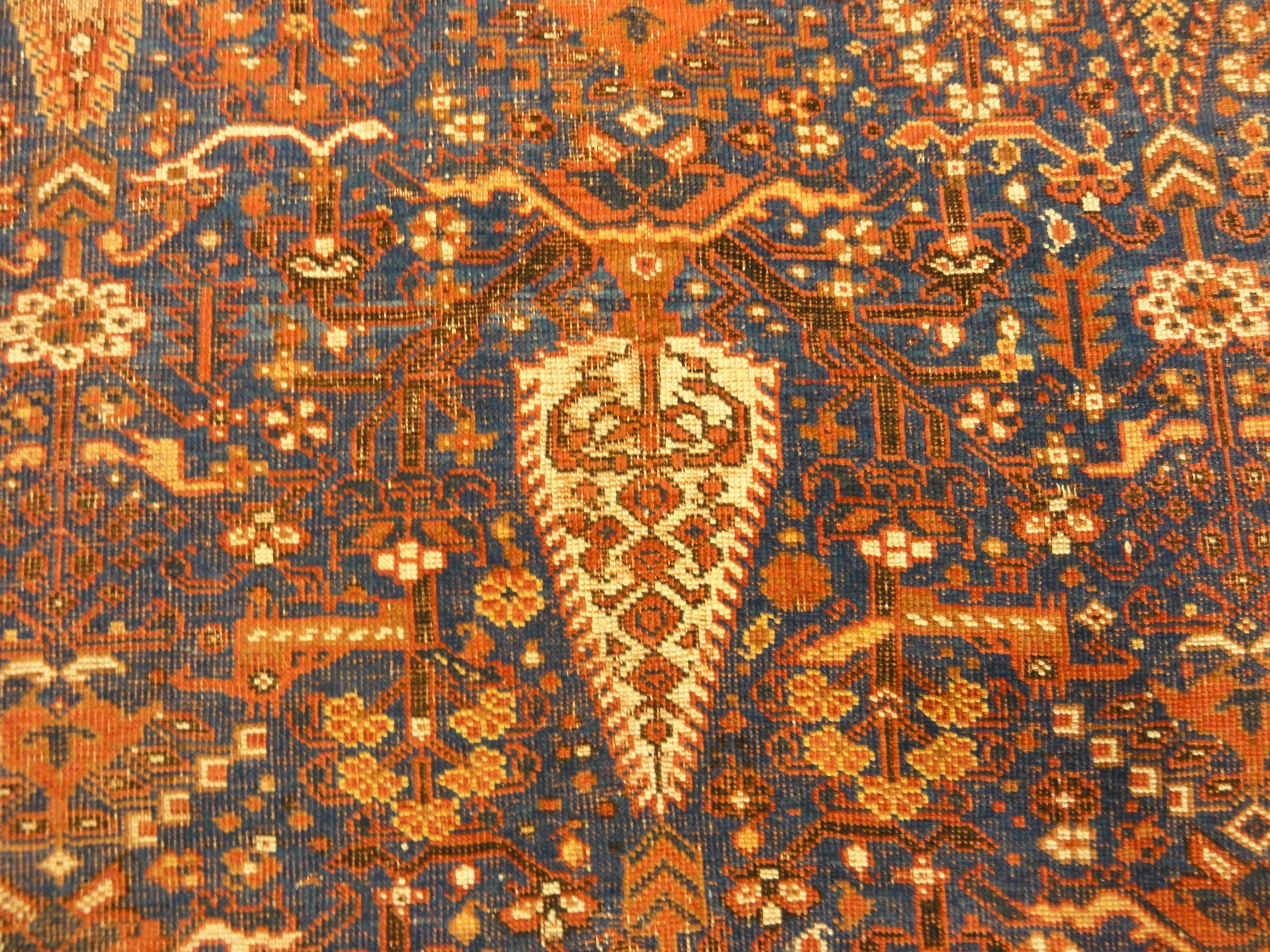
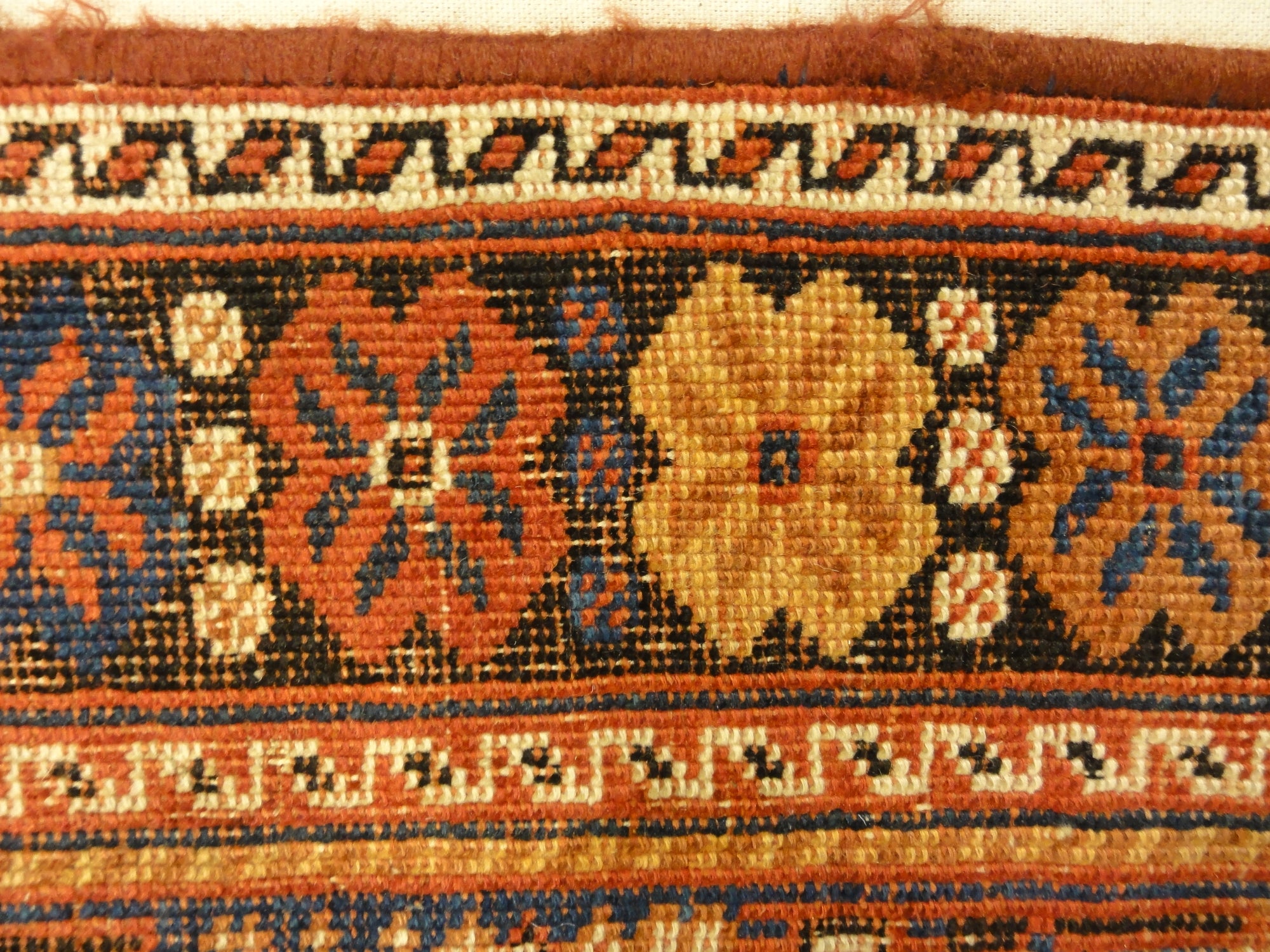
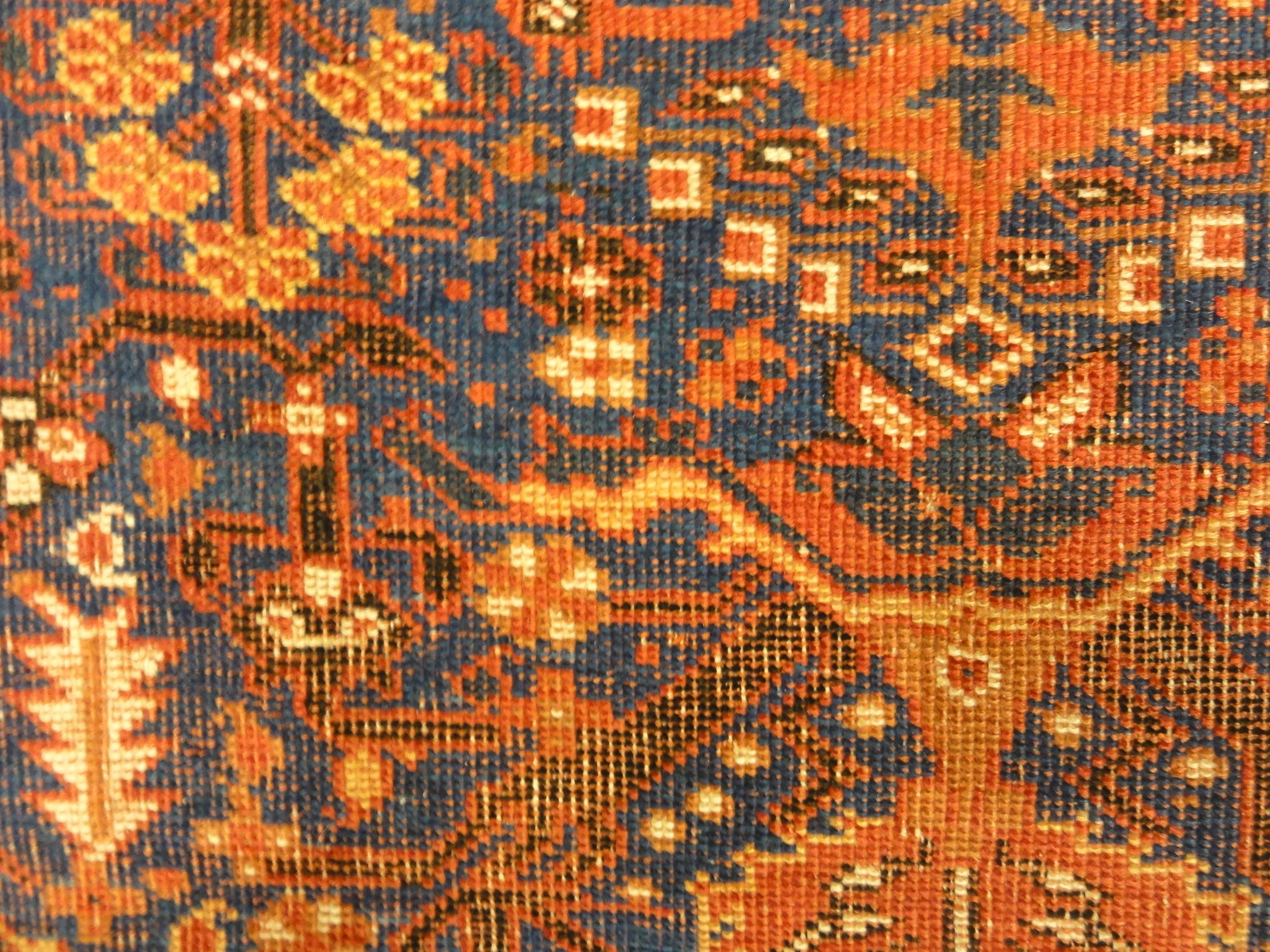
Afshar rugs are quite distinguishable. Using geometric patterns, medallions with diamond patterns and pomegranate vases. Common colors of Afshar rugs include crimson, saffron gold, ivory, burnt orange and sienna, reflective of the influences from outside regions making these highly stylized and unique rugs. High-quality antique Afshar rugs display deeply saturated dyeing techniques, and they almost always sparkle from the lanolin-rich wool culled from their own flocks. Typically, Afshar rugs were finished at either end with intricate flatweave and the sides with multi-colored selvedge. Classic features of these antique rugs can include three pendants at either of the two ends (mostly in Sirjan designs), multiple diamond patterns (the number of diamonds can vary within a motif) and the tribal border, which is typical of all rugs made by this tribe. In the nearby city of Shahr Babak similar carpets are manufactured, with a higher density and with more detailed patterns. Another very noticeable feature is the medium ribbed back, which is a classic trait. Many antique rugs by this tribe can be found in homes worldwide, today. Some of them are well-preserved and retain their colors quite nicely. Come and stop by our gallery to find Fine Antique Afshar carpets at 410 Olive.